Stone.Age.Museum Stift Rein

The oldest mining in Sty­ria

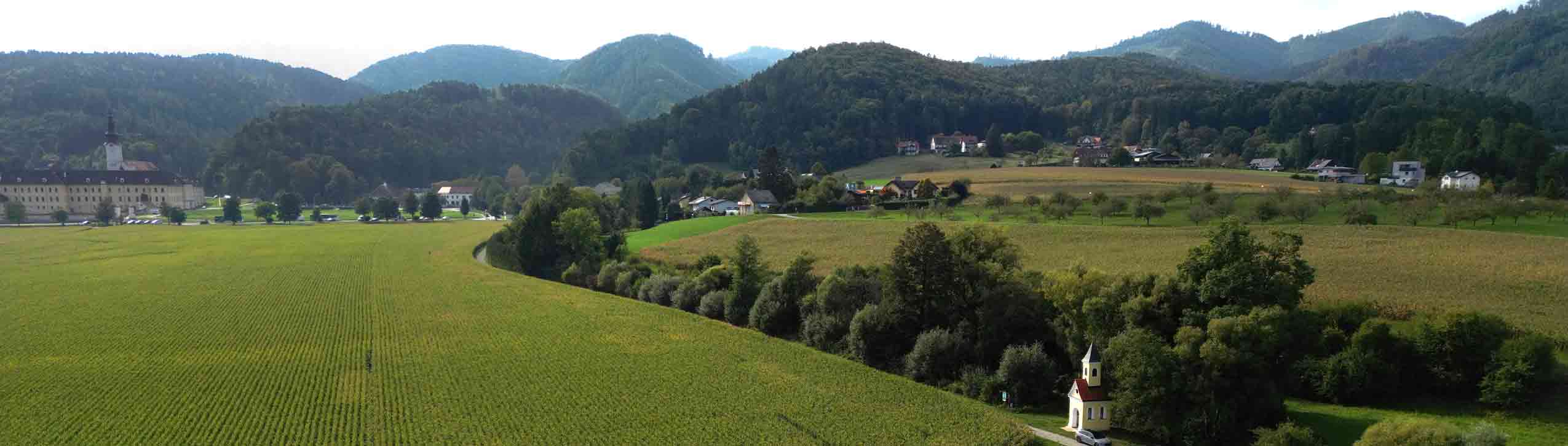
Not far from Rein Abbey, on the so-cal­led Hoch­feld, a sen­sa­tio­nal dis­co­very has been made in recent years: Archaeo­lo­gi­cal excava­tions, modern pro­s­pec­ting methods and geo­sci­en­ti­fic ana­ly­ses by the Uni­ver­sal­mu­se­um Joan­ne­um (Graz) and the Aus­tri­an Archaeo­lo­gi­cal Insti­tu­te of the Aus­tri­an Aca­de­my of Sci­en­ces (Vien­na) brought the oldest mining in Sty­ria to light.

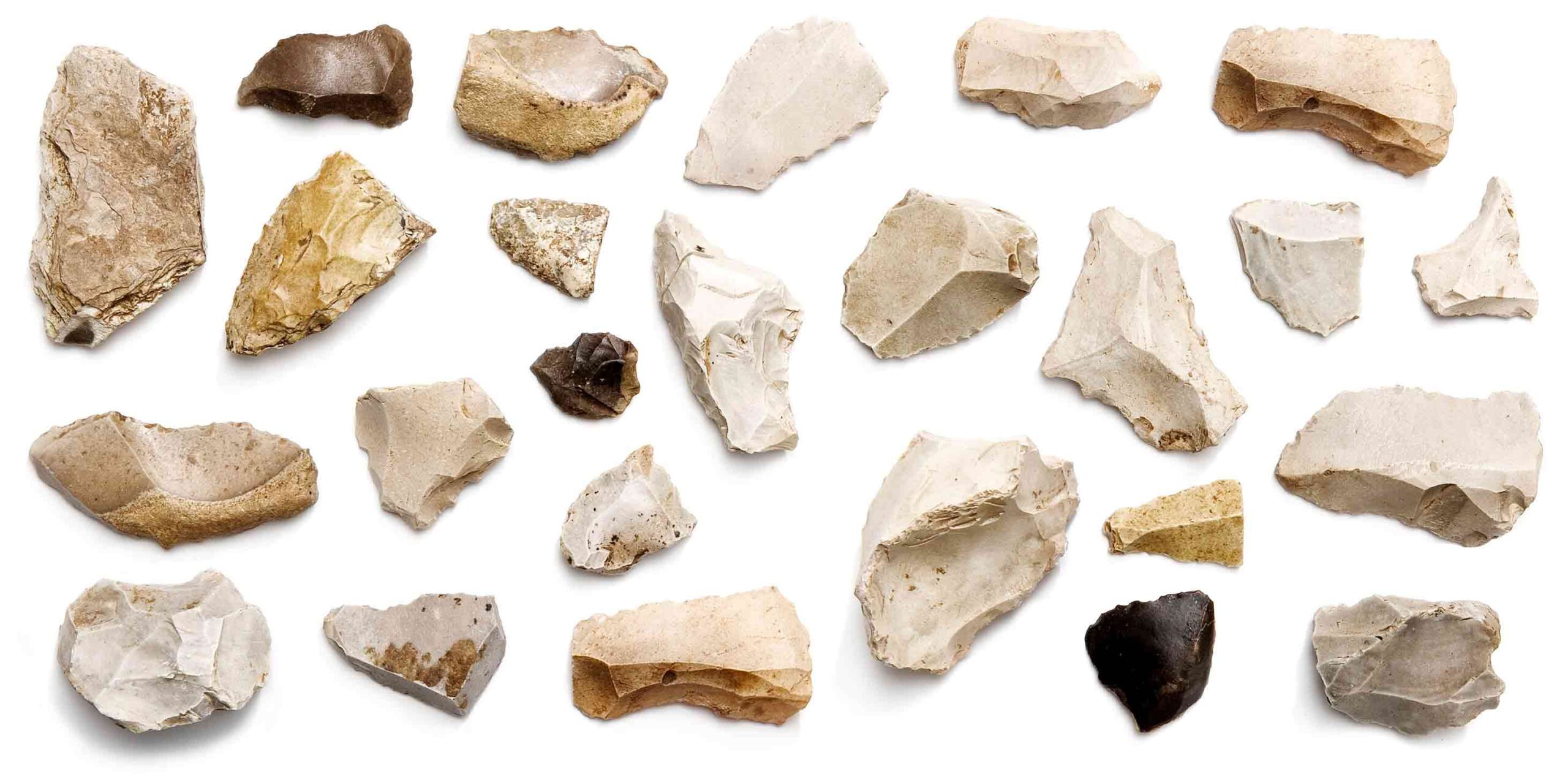
The traces of this ear­ly mining are over 6,000 years old and date back to the late Neo­li­thic peri­od. Flint was mined – an extre­me­ly hard, easi­ly cleava­ble sili­ca­te rock that was of ine­sti­ma­ble value to the peo­p­le of that time. It was used to manu­fac­tu­re sharp-edged wea­pons and tools – i.e. essen­ti­al ever­y­day objects.

From Nean­der­thal to the Neo­li­thic Age

The use of flint in Sty­ria dates back a long way: Nean­dert­hals were alre­a­dy making tools from this mate­ri­al over 50,000 years ago. The oldest evi­dence of this comes from the Repo­lust Cave near Peg­gau – the site of the oldest man-made arti­facts in Sty­ria.

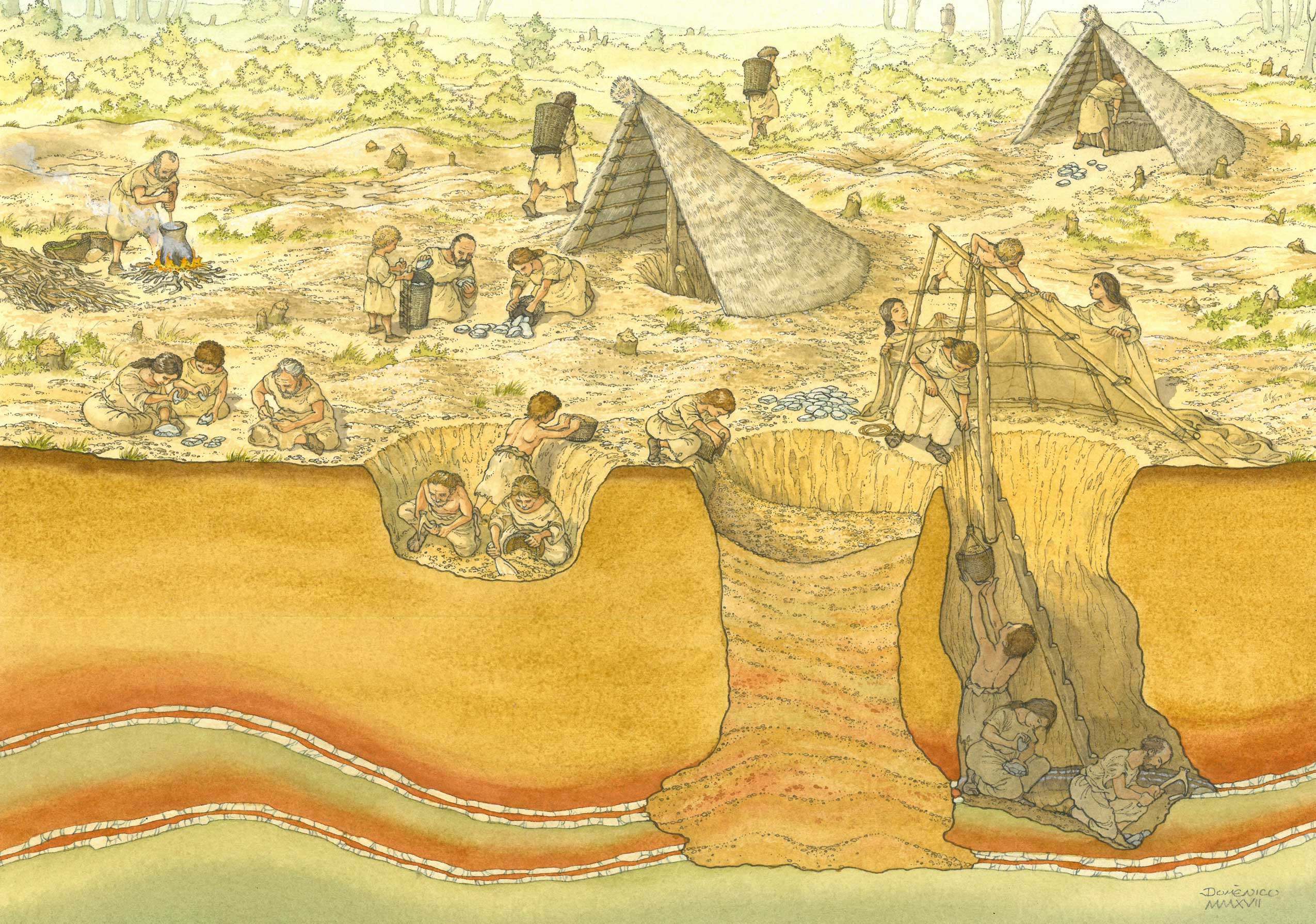
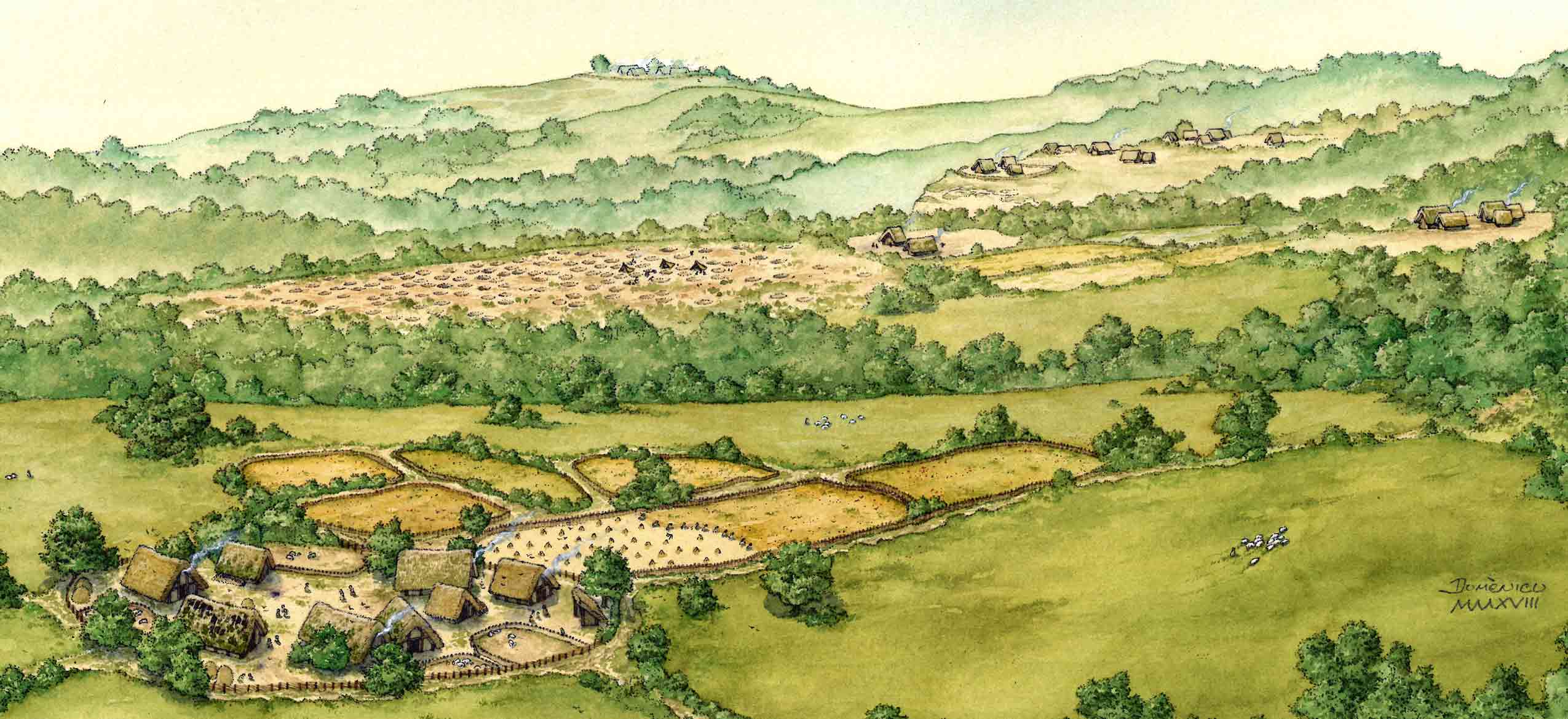
While in the Paleo­li­thic Age flints were still coll­ec­ted super­fi­ci­al­ly, the peo­p­le of the Neo­li­thic Age began to dig spe­ci­fi­cal­ly for this “stra­te­gic raw mate­ri­al”. In the gent­ly rising ter­rain bet­ween the pre­sent-day vil­la­ges of Rein and Hör­gas – the so-cal­led Hoch­feld – pro­ba­b­ly seve­ral hundred mining pits (Pin­gen) were crea­ted.

The pla­ty flint found here was an important raw mate­ri­al for hewn stone tools in the sou­the­as­tern Alpi­ne regi­on and has been found in num­e­rous Neo­li­thic sett­le­ments in Sty­ria and Car­in­thia.

Tech­ni­ques of ear­ly mining

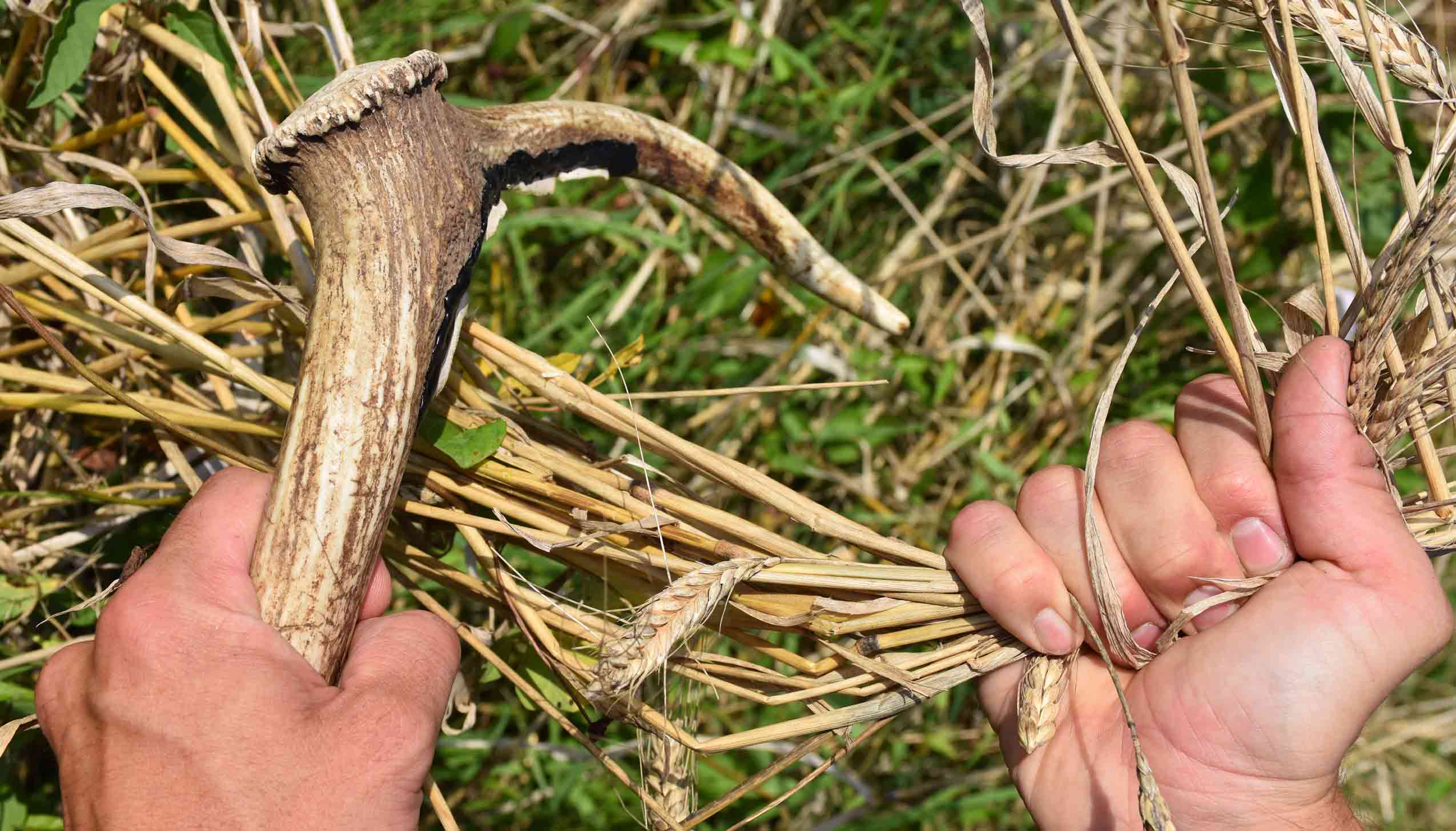
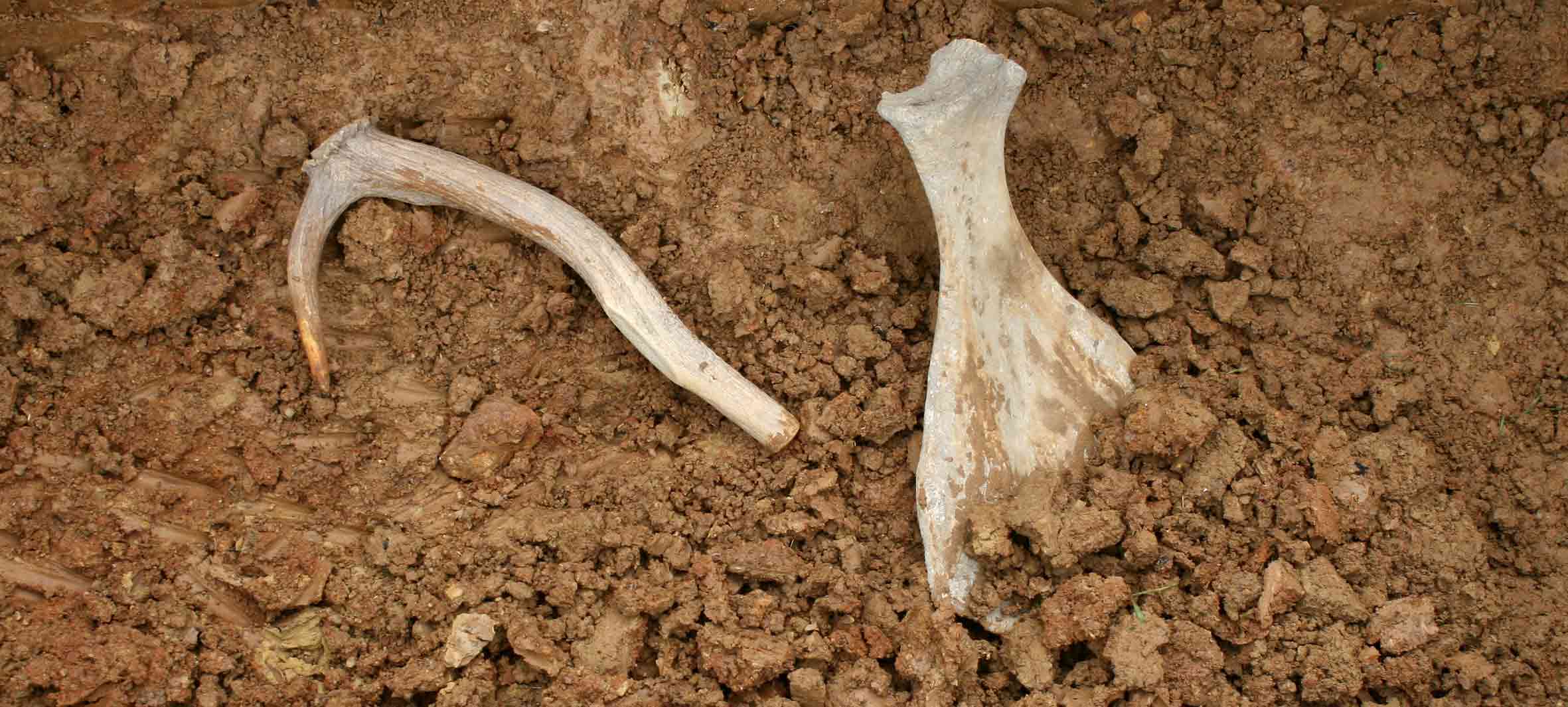
Using tools made of ant­lers, bones or wood, the miners of the time crea­ted pits up to five meters deep in the yel­low-gray loamy soil of the Hoch­feld. The­re they came across seve­ral lay­ers of whitish pla­ty flint – aver­aging one to two cen­ti­me­ters thick.

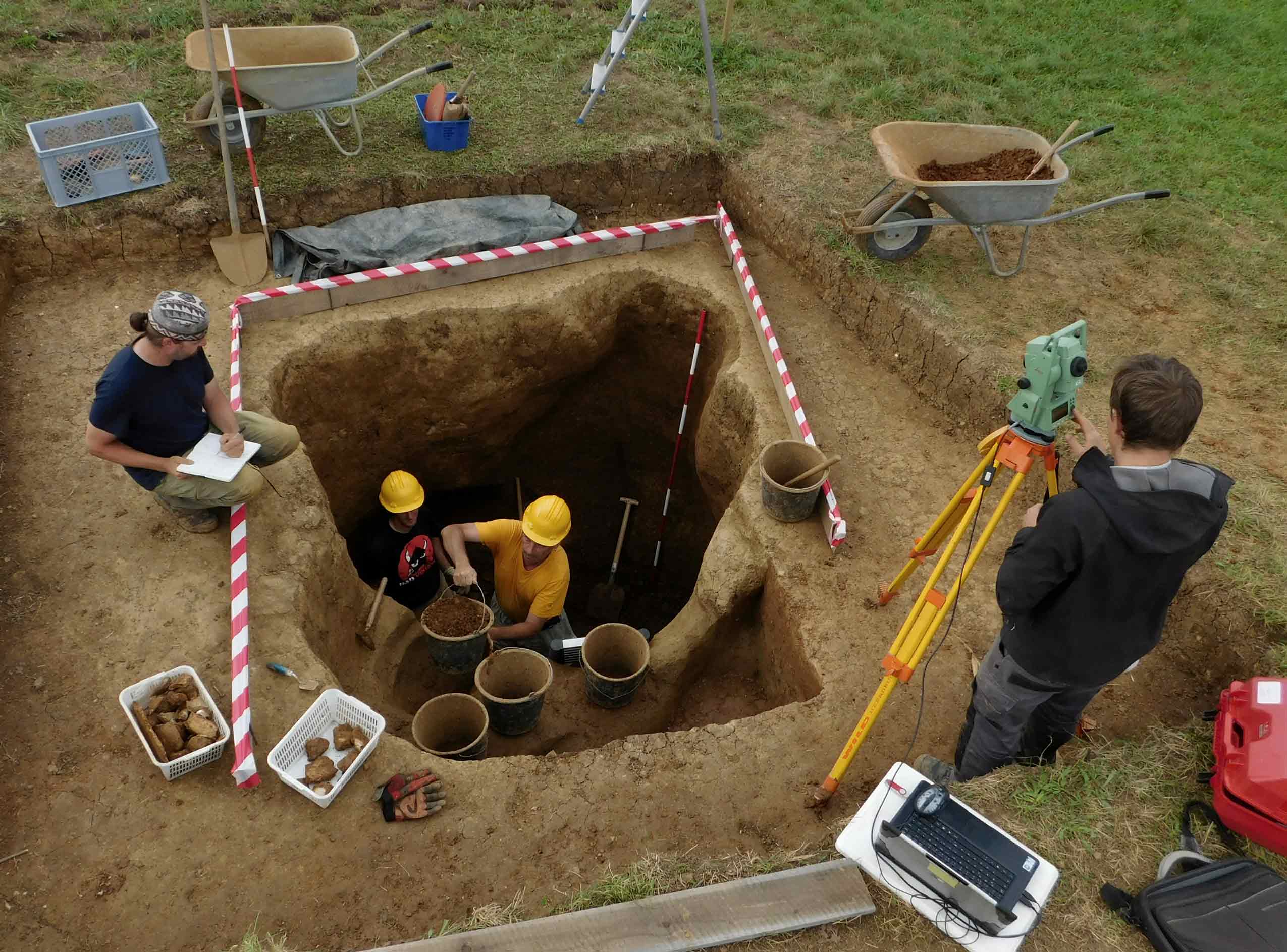
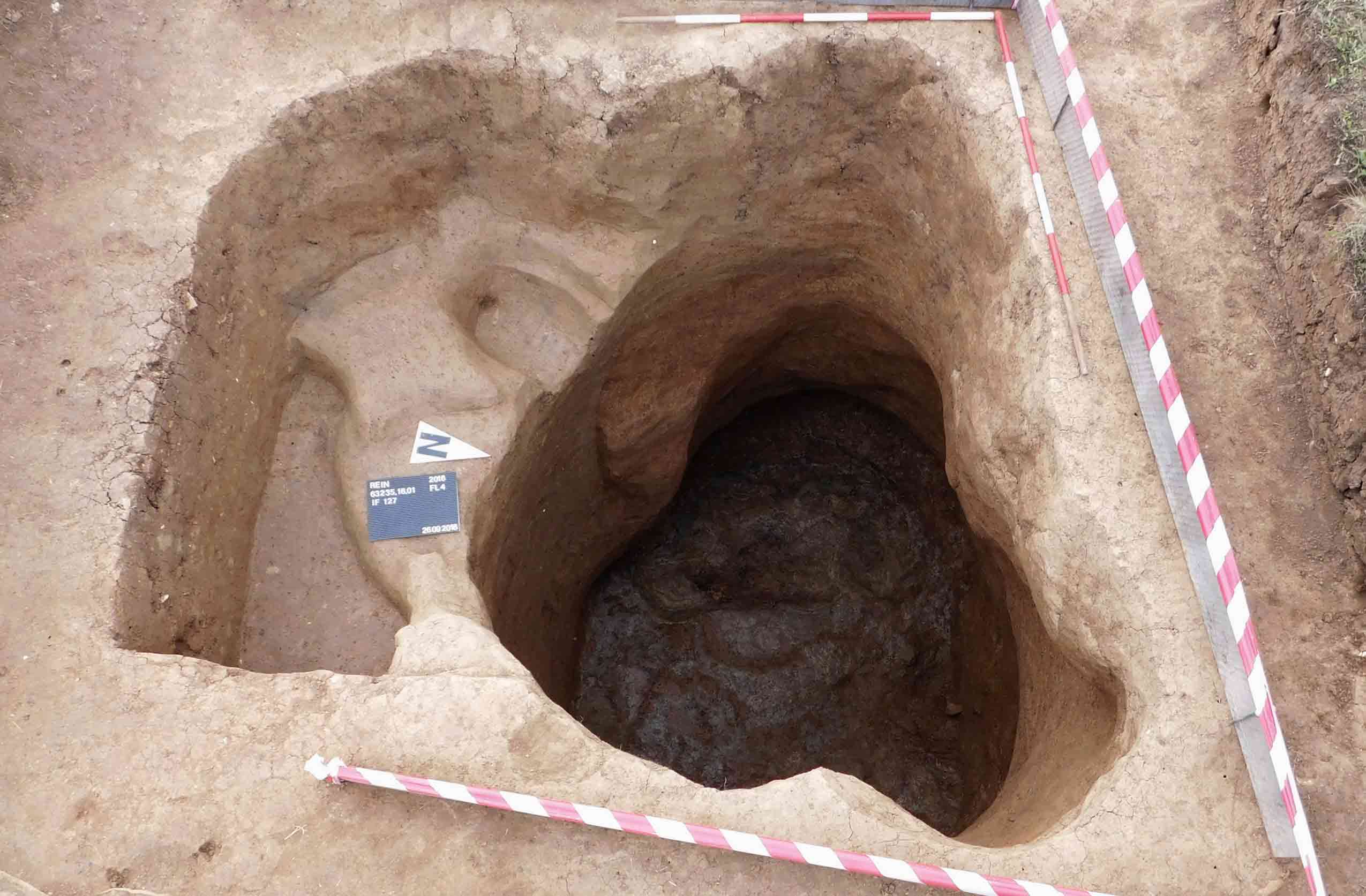
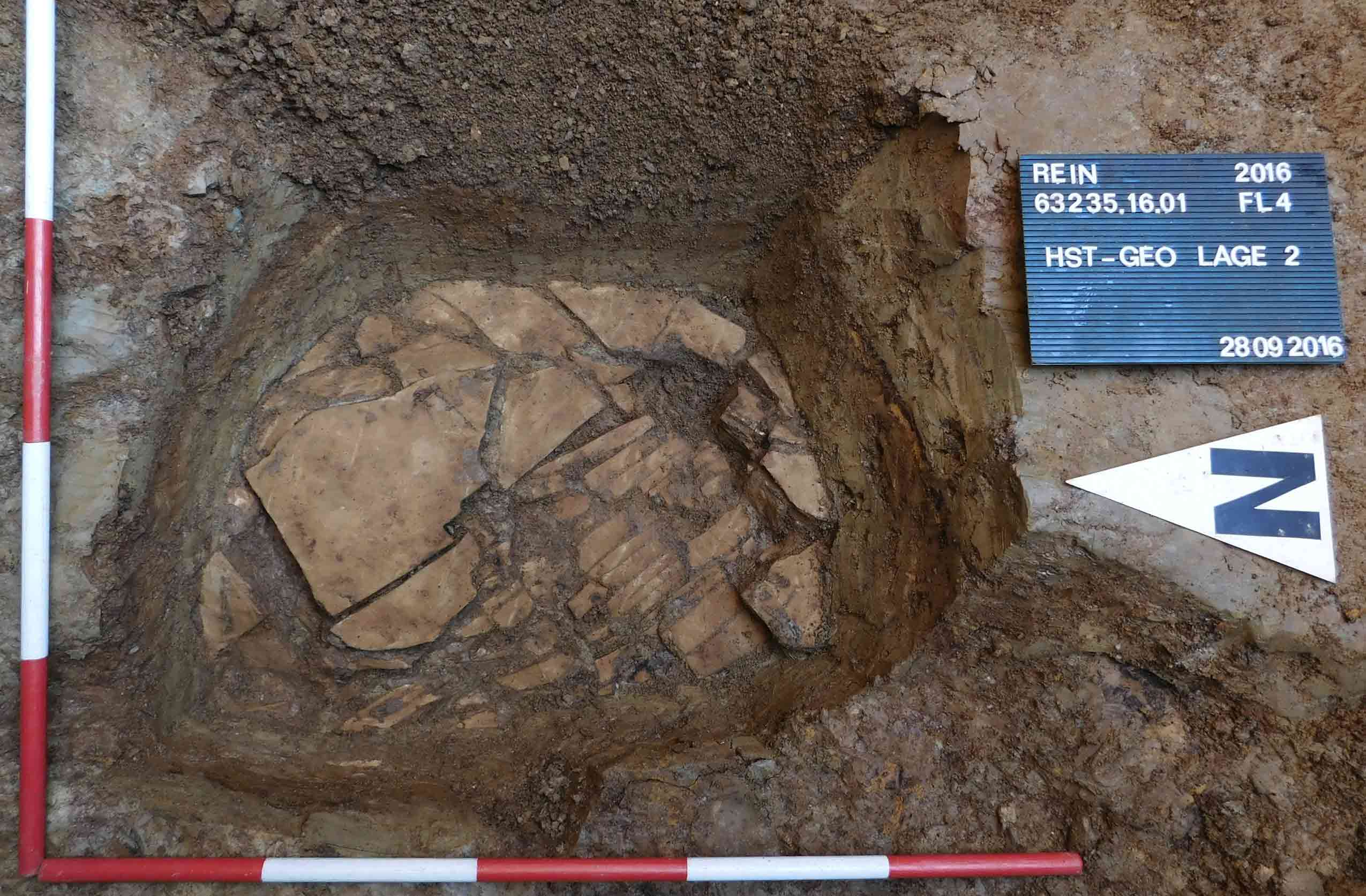
During an archaeo­lo­gi­cal inves­ti­ga­ti­on in 2016, a com­ple­te­ly pre­ser­ved mining pit from the Neo­li­thic peri­od was unco­ver­ed for the first time. The appro­xi­m­ate­ly 3.5 meter deep shaft with a dia­me­ter of around two meters show­ed a late­ral bul­ge at its base, via which the flint was spe­ci­fi­cal­ly extra­c­ted.

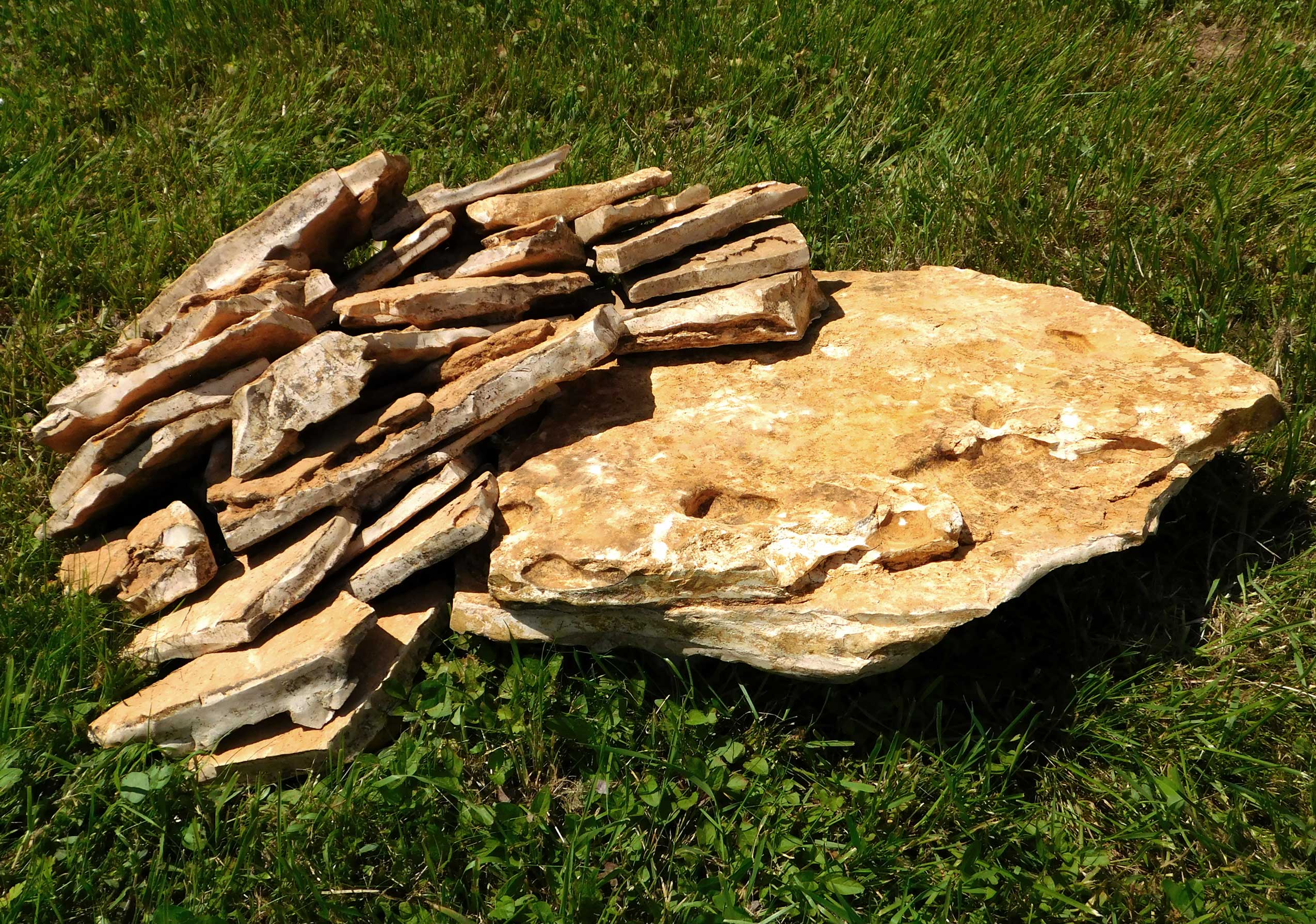
Lar­ge quan­ti­ties of was­te mate­ri­al were found in the refil­led pit – flint slabs, flakes and core stones that did not meet the high demands of the flint knap­pers and were the­r­e­fo­re dis­po­sed of on site.

1500 years of mining tra­di­ti­on

Radio­car­bon dating of char­co­al from seve­ral mining pits shows that flint mining in Rein was car­ri­ed out bet­ween 4500 and 3000 BC – a tra­di­ti­on that span­ned around 1500 years. This peri­od coin­ci­des almost enti­re­ly with the enti­re Neo­li­thic sett­le­ment histo­ry of Sty­ria.

With the dis­co­very of the Rein mining pits, it was pos­si­ble to pro­ve that this is the second known Neo­li­thic sil­ex mine in Aus­tria. A com­pa­ra­ble site is only loca­ted in Vien­na-Lie­sing (Antons­hö­he), whe­re radio­la­ri­te, a varie­ty of flint, was extra­c­ted at the same time.

Sin­ce the Vien­nese site was alre­a­dy inves­ti­ga­ted in 1929/30, the fin­dings in Rein are now con­side­red the only com­ple­te­ly and modern­ly docu­men­ted Neo­li­thic mining pit for flint in Aus­tria.

Archaeo­lo­gi­cal heri­ta­ge of natio­nal importance

Due to its excep­tio­nal importance, the suspec­ted mining area was pla­ced under monu­ment pro­tec­tion by the Fede­ral Monu­ments Office in 2019. In addi­ti­on, the site was included in the top 100 list of the most important archaeo­lo­gi­cal monu­ments in Aus­tria.

From the find to the exhi­bi­ti­on

As ear­ly as 2018, the Archaeo­lo­gi­cal Muse­um of the Uni­ver­sal­mu­se­um Joan­ne­um dedi­ca­ted a spe­cial exhi­bi­ti­on to the flint mining of Rein.

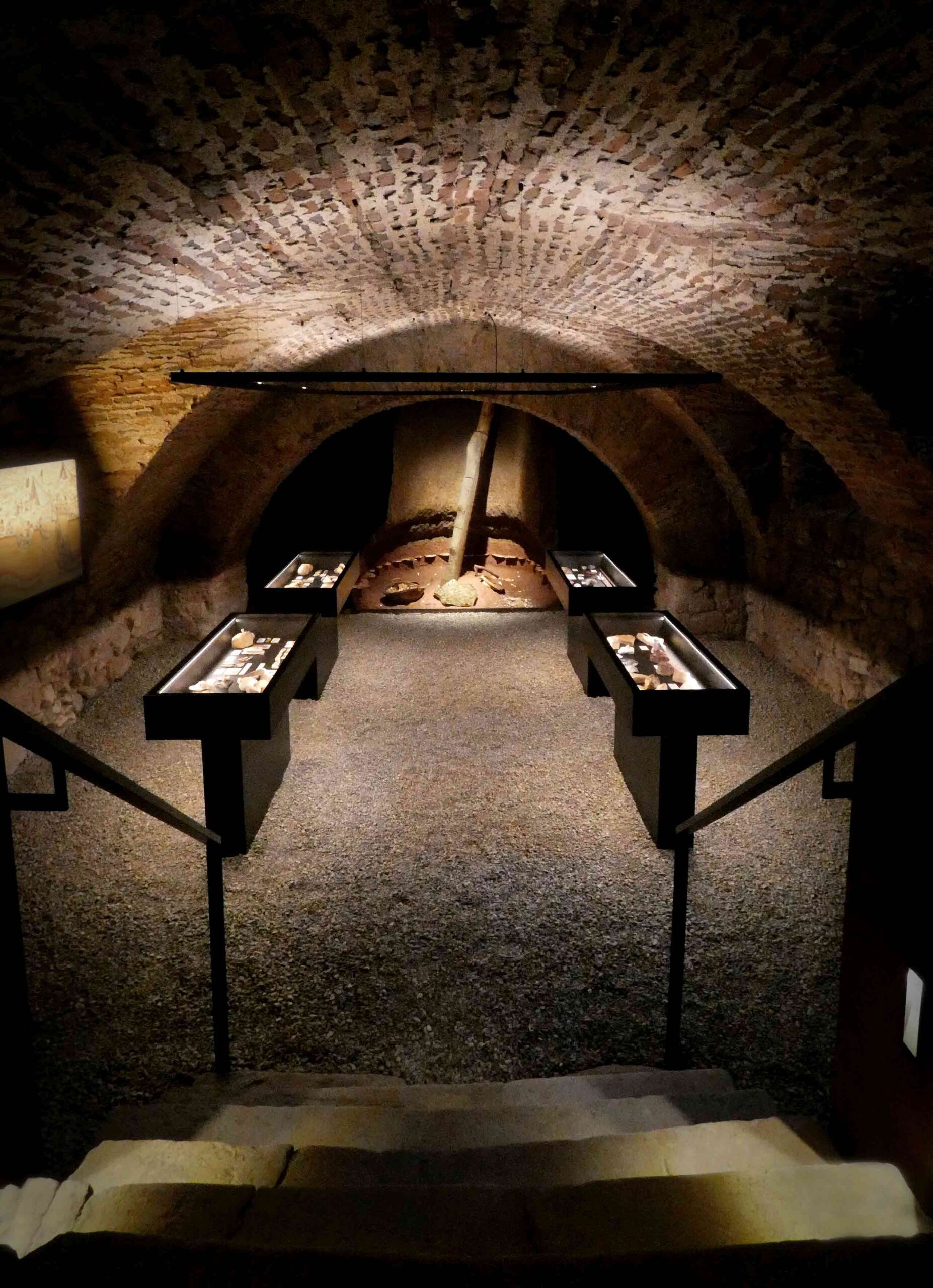
In the new Stone.Age.Museum Stift Rein, the Rein flint can now be shown at its place of ori­gin. The finds from Rein offer a fasci­na­ting insight into the life and tech­no­lo­gy of the ear­ly miners of Sty­ria. They show how inno­va­ti­ve and orga­ni­zed the peo­p­le of the Neo­li­thic Age alre­a­dy were – and how an incon­spi­cuous stone like flint beca­me the basis for tools, pro­gress and sur­vi­val.

The per­ma­nent exhi­bi­ti­on was desi­gned by Dr. Micha­el Brandl from the Aus­tri­an Archaeo­lo­gi­cal Insti­tu­te of the Aus­tri­an Aca­de­my of Sci­en­ces and Mag. Dani­el Modl from the Archaeo­lo­gy & Coin Cabi­net Depart­ment at the Uni­ver­sal­mu­se­um Joan­ne­um.

Ope­ning hours

April 1 to Janu­ary 6, Fri­days, Satur­days and Sun­days free admis­si­on from 10:00 a.m. to 4:00 p.m., gui­ded tours are pos­si­ble bet­ween 3:00 p.m. and 4:00 p.m.

Groups of 15 or more all year round by appoint­ment at gruppe@stift-rein.at

Gui­ded tour: €4,–, free for child­ren up to the age of
15.

Infor­ma­ti­on: +43 3124 51621

We thank our spon­sors from indus­try and busi­ness and our pri­va­te donors!

Scroll to Top