PRAY

ORA: Pray­ing accor­ding to the Rule of SAINT Bene­dict

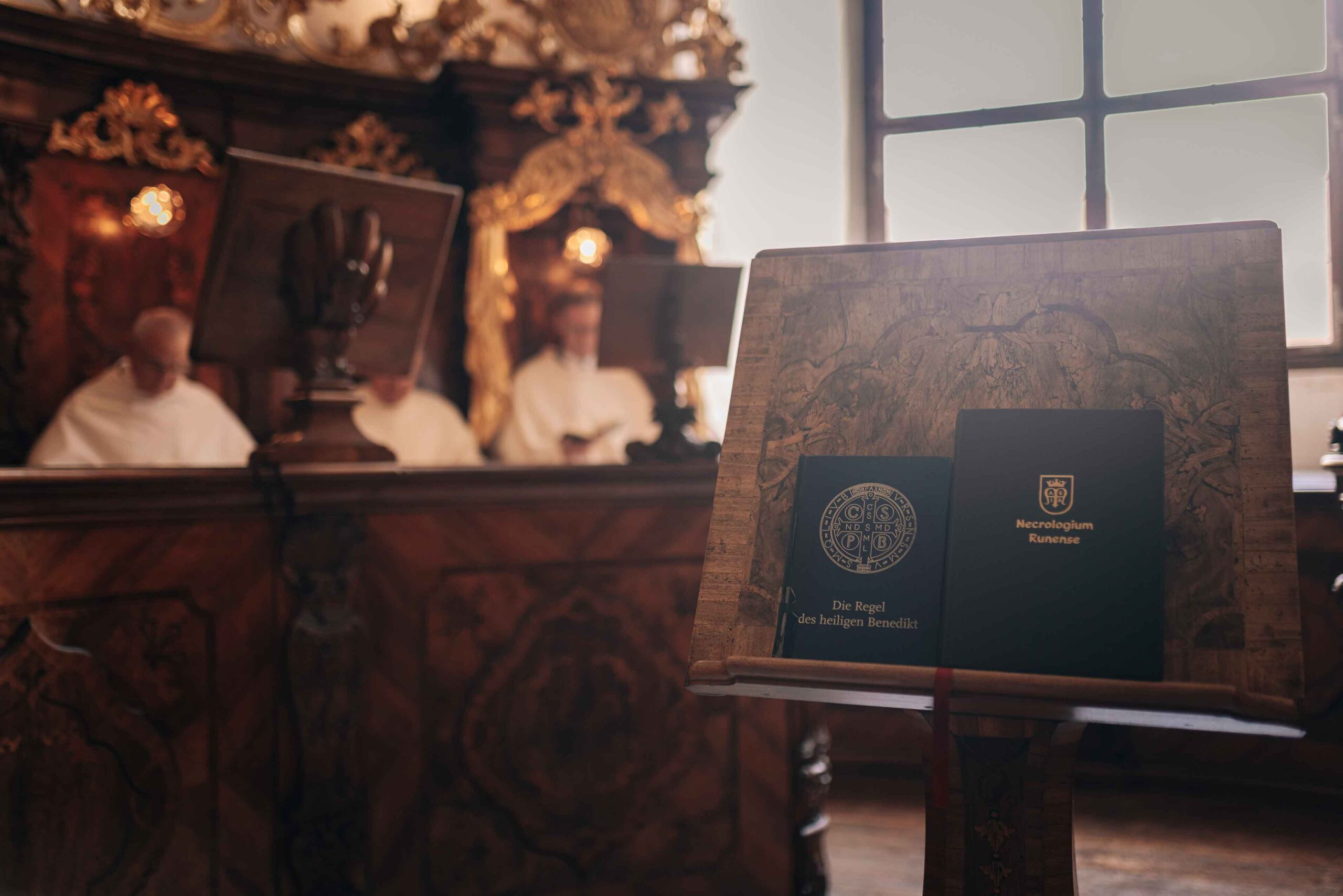
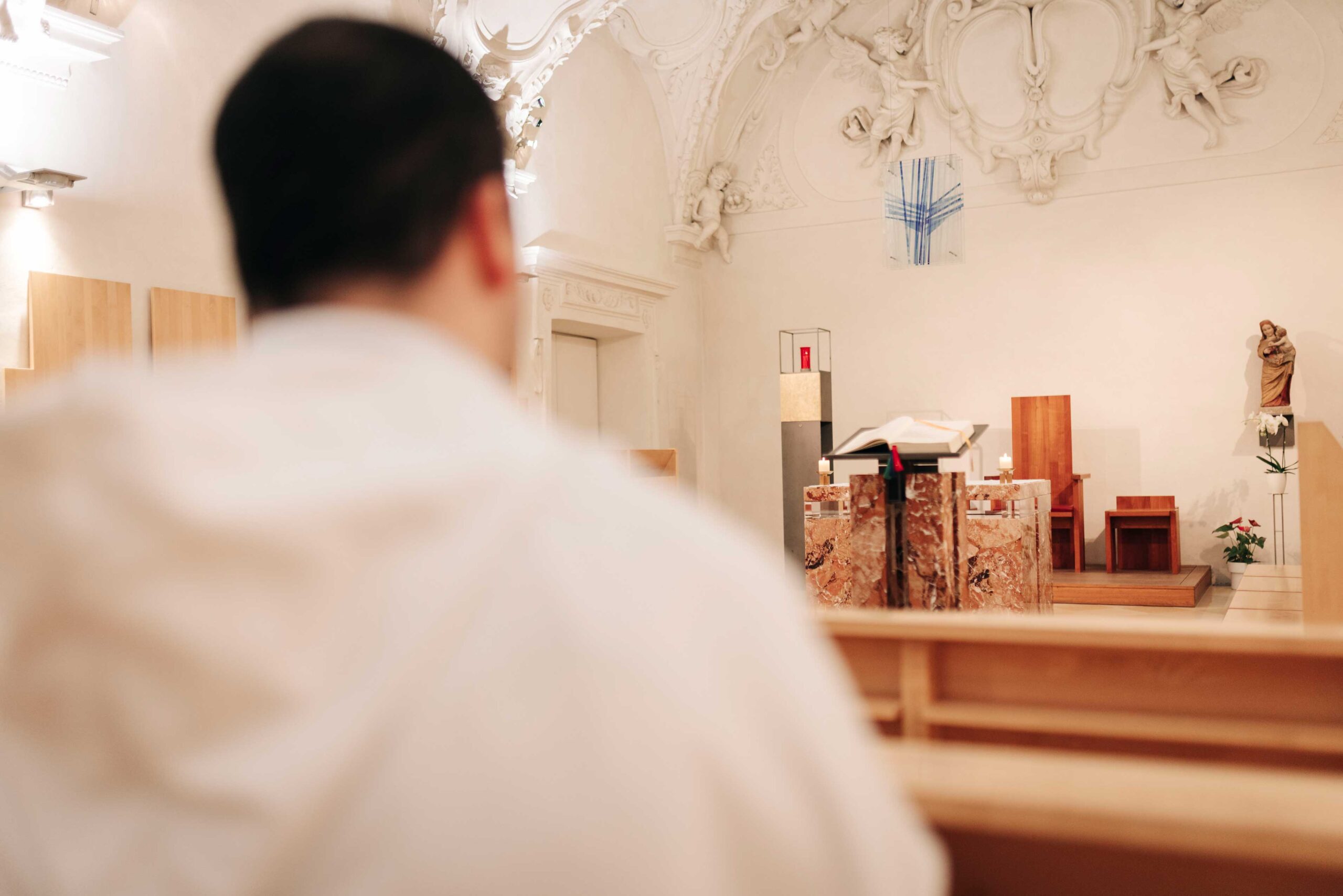
A pil­lar of the monastic com­mu­ni­ty is the com­mon pray­er of the hours (ora). In the lit­ur­gy chap­ters, the foun­der of the order, Bene­dict, gives pre­cise ins­truc­tions on how this is to pro­ceed, when which psalms are to be sung, and with what inner atti­tu­de the brot­hers are to come to pray­er. Thus, it is not a mat­ter of spea­king many pious words, but rather demands “puri­ty of heart” (RB 20:3) and the right mea­su­re in pray­er: “let pray­er in com­mu­ni­ty be short” (RB 20:5).

Not the voice, but the heart speaks

The silent pray­er of each indi­vi­du­al should also be cul­ti­va­ted. “If anyo­ne wis­hes to pray sil­ent­ly by hims­elf, let him sim­ply enter and pray, not with a loud voice, but with the fer­vor of his heart” (RB 52:4). Bene­dict also empha­si­zes the importance of pray­er in one of the so-cal­led punish­ment chap­ters: “Not­hing is to be pre­fer­red to the divi­ne office” (RB 43:3). The monk must inter­rupt any work, no mat­ter how important, when it is time for divi­ne ser­vice.

Ora, labo­ra et lege

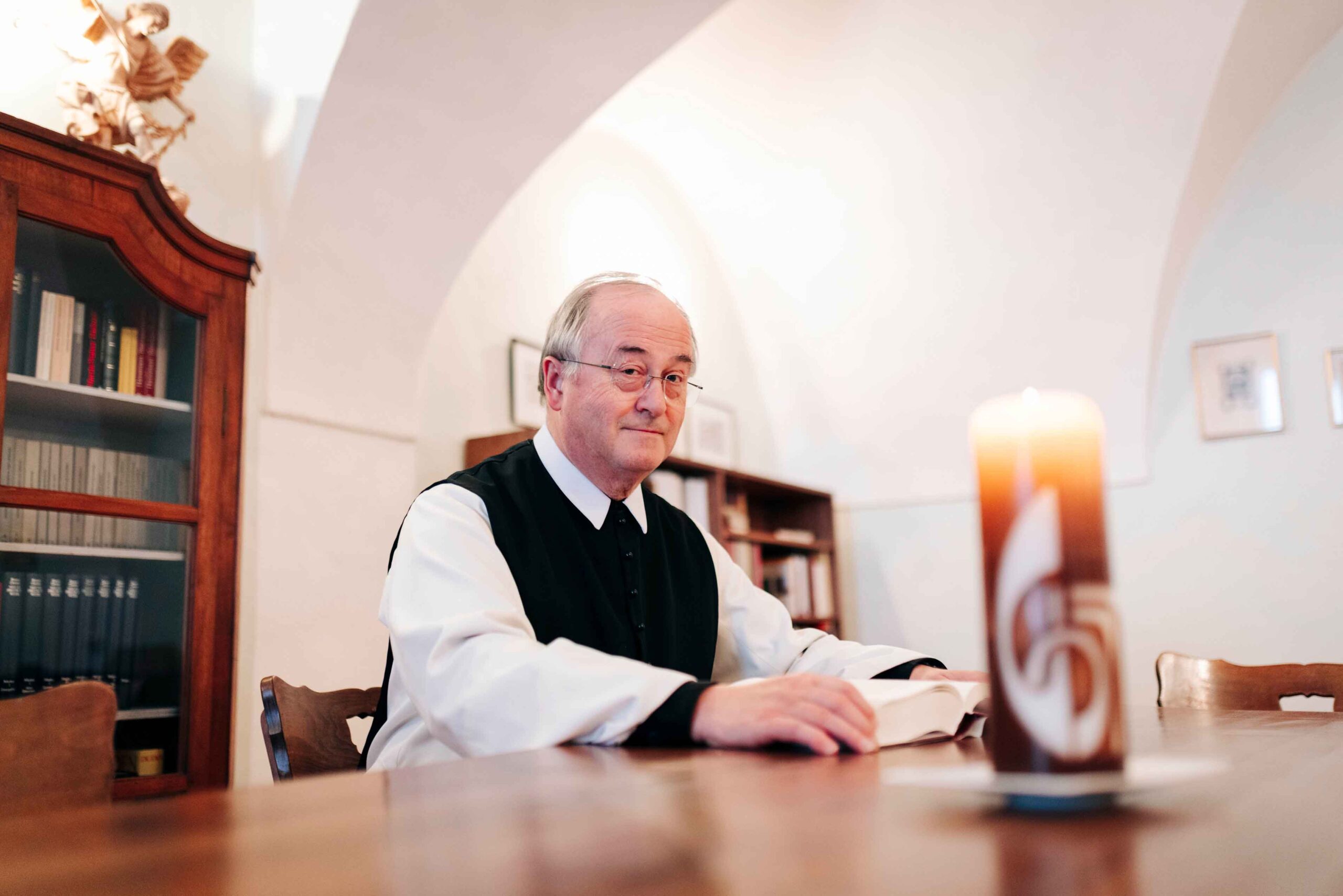
In addi­ti­on to com­mu­nal pray­er, silent indi­vi­du­al pray­er, and the cele­bra­ti­on of Mass, Saint Bene­dict also men­ti­ons lec­tio divina as part of divi­ne ser­vice. “The­r­e­fo­re, the brot­hers should occu­py them­sel­ves at cer­tain times with sacred rea­ding” (RB 48:1), which means not only rea­ding Holy Scrip­tu­re and the texts of the Church Fathers, but also medi­ta­ti­on and reflec­tion on them.
This is the reason why many extend the short ver­si­on of the monastic rule of Saint Bene­dict “ORA et LABORA” by “et LEGE”: Pray and work and read!

Scroll to Top